The Joint Collaborative Research Project (JCRP) unites the research and training missions of two NOAA Cooperative Science Centers (CSCs), the Center for Coastal and Marine Ecosystems (CCME) and the Living Marine Resources Cooperative Science Center (LMRCSC), through a shared scientific and educational initiative. It engages CSC undergraduate and graduate students, postdoctoral fellows, and faculty alongside NOAA subject matter experts to advance NOAA mission-aligned competencies. By leveraging the strengths of both Centers, the JCRP achieves objectives that neither could accomplish independently, enhancing institutional capacity for cutting-edge research and workforce development.
The project applies strategies from NOAA’s Science and Technology focus areas to achieve the goal of understanding how marine variability and ecosystem stressors affect fisheries and the people and economies that depend on them. JCRP’s research blends marine fish trophic ecology, early life history, population dynamics, and social science to understand ecosystem change. It also explores perceptions of the impacts of environmental variability. This integrated approach fosters innovation, strengthens stakeholder engagement, supports management of marine ecosystems, and strengthens the nation’s seafood competitiveness.
CCME II & LMRCSC II JCRP
Award Numbers: NA21SEC4810004 & NA21SEC4810005
NOAA Collaborators: Dr. Frank Hernandez, NOAA Fisheries; Dr. Chris Kelble, NOAA Fisheries; Dr. Evan Anderson, NOAA Fisheries; Dr. Eric Hoffmayer, NOAA Fisheries; Dr. Beverly Barnett, NOAA Fisheries (retired); Dr. Glenn Zapfe, NOAA Fisheries; Dr. Emily Osbourne, NOAA Atlantic Oceanographic and Meteorological Laboratory
Leadership:
Principal Investigators: Dr. Larry Robinson (CCME II), Dr. Paulinus Chigbu (LMRCSC II)
Center Directors: Dr. Richard Long (CCME II), Dr. Paulinus Chigbu (LMRCSC II)
Distinguished Research Scientists: Dr. Steven Morey (CCME II), Dr. David Die (LMRCSC II)
Collaborators:
CCME II
Dr. Carlos Cintra-Buenrostro (University of Texas Rio Grande Valley)
Dr. Brent Thoma (Jackson State University)
Dr. Owen Temby (University of Texas Rio Grande Valley)
Dr. Anna Erwin (University of Texas Rio Grande Valley)
Dr. Michael Martinez Colon (Florida A&M University)
Dr. Anthony Lima, Postdoc (University of Texas Rio Grande Valley)
Dr. Demarcus Robinson, Postdoc (Florida A&M University)
LMRCSC II
Dr. Dannise Ruiz Ramos (University of Maryland Eastern Shore)
Dr. Justine Whitaker (University of Maryland Eastern Shore)
Dr. Eric Schott (University of Maryland Center for Environmental Science)
Dr. Beth Babcock (University of Miami Rosenstiel School of Marine, Atmospheric, and Earth Science)
Dr. Jessica Miller (Oregon State University)
Dr. Ali Ishaque (University of Maryland Eastern Shore)
Students:
CCME II
Reneisha Sweet (Jackson State University)
Samantha Sanchez (University of Texas Rio Grande Valley)
LMRCSC II
Kayland Huckaby (University of Maryland Eastern Shore)
Sarah Rawlinson (University of Maryland Eastern Shore)
Alignment with NOAA priorities
Ecosystem Research
The project investigates how weather pattern shifts and environmental stressors—such as temperature, oxygen, and pH—impact marine ecosystems in the Gulf of America and Northwest Pacific. This work supports strategies for ecosystem health.
Seafood and Ecosystem Health
Using NOAA’s archived samples and oceanographic data, researchers will analyze fish otoliths and larvae through genomics, eDNA, microchemistry, and isotope analyses to track long-term changes in growth and diets.
NOAA Initiative & Social Science
The plan advances NOAA’s Changing Ecosystems and Fisheries Initiative and integrates social science by studying impacts on coastal areas reliant on marine resources, incorporating their perspectives into management.
Training and Collaboration
It offers hands-on training for students and early-career scientists in advanced lab techniques, stakeholder engagement, and communication, while fostering collaboration among institutions, NOAA experts, and affected parties.
JCRP Highlights
Protecting commercial seafood availability (Video)
Watch Kayland Huckaby, a fourth-year Ph.D. student at the University of Maryland Eastern Shore and a NOAA LMRCSC fellow, explain how changes in a fish’s diet can affect the entire region’s food web.
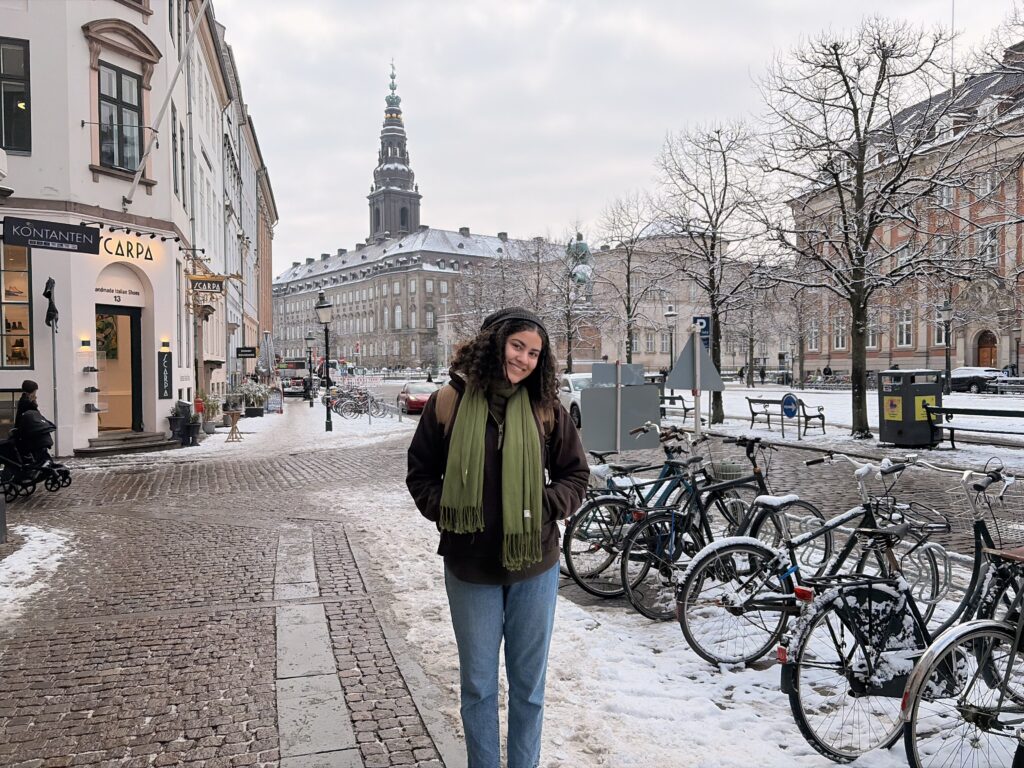
Undergrad fellow’s research opens doors to national, global networking
NOAA LMRCSC fellow and University of Maryland Eastern Shore junior Sarah Rawlinson‘s research focuses on the diet of groundfish from the Gulf, a project led by LMRCSC Doctoral Fellow Kayland Huckaby. Rawlinson has assisted with the stable isotopes analysis portion of the project, as well as some DNA metabarcoding.
For comments or edits to this page, please contact Kara Nuzback, kanuzback@umes.edu.
NOAA Living Marine Resources Cooperative Science Center
University of Maryland Eastern Shore (Lead Institution)
(410) 651-7870
Award numbers: FY 2021 Award #NA21SEC4810005
Funding Agency: NOAA Educational Partnership Program (EPP/MSI)
