
Small Ruminants Program
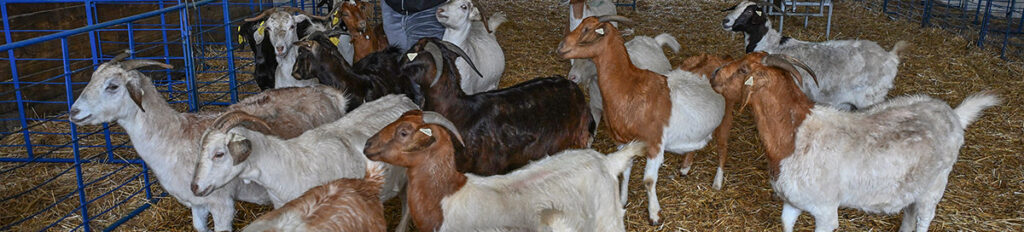
The University of Maryland Eastern Shore Extension’s Small Ruminant program supports Maryland sheep and goat producers as they work to maintain a profitable and consistent supply of lamb and chevon (goat meat).
Animal agriculture is a growing part of the state’s economy, and, according to the USDA 2022 Census of Agriculture, there were approximately 3,041 milk goats, 9,329 goats for meat and other purposes, and 18,912 sheep and lambs in Maryland.
The lamb and goat meat market is growing with imports accounting for more than half of all demand in the U.S., creating an opportunity for small farmers to fill the gap to supply the major markets along the East Coast (Washington, D.C.; New York; Newark, New Jersey; Baltimore; and Philadelphia).
The UMES Small Ruminant Farm serves as the primary instructional site for farmers, students, 4-H youth and others.
Small ruminants (sheep and goats) also have an advantage over bovines in terms of size and adaptability to foraging and browsing; it is that distinctiveness that allows them to be used as an alternative to the use of herbicides or prescribed burning for tree farm planting preparation, rangeland improvement or to enhance the landscape of recreational areas.
How UMES is Helping
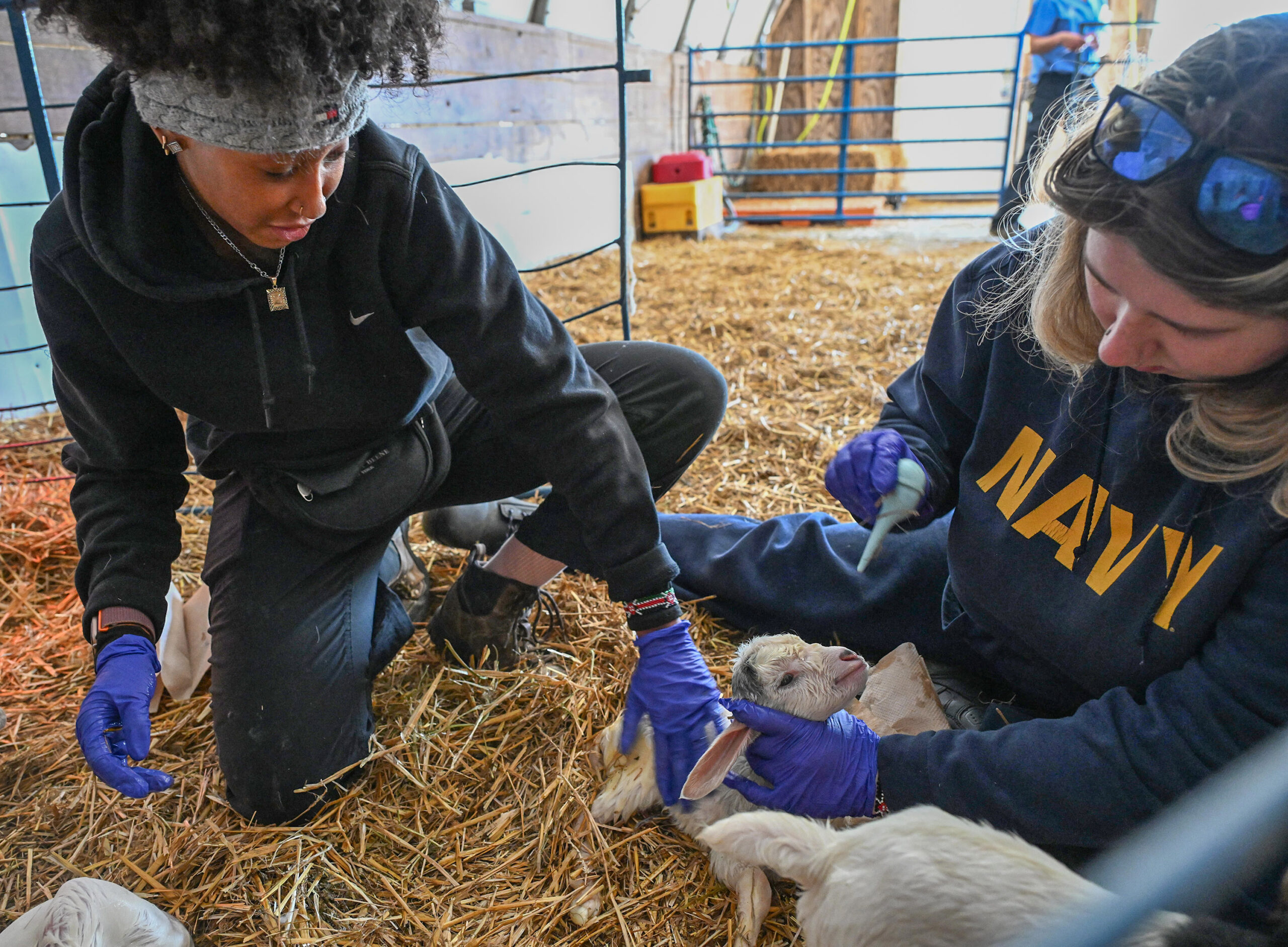
Our UMES Extension small ruminant experts can schedule individual farm visits, which enable producers and specialists to identify gaps in animal management, nutrition and sanitation. These visits focus on the nutrition and management of pregnant ewes and does. Hands-on demonstrations include drenching, ear tagging and castration.
UMES Extension organizes workshops on integrated parasite management, nutrition, genetic enhancement of breeding stock, and best practices for lambing and kidding.
Training sessions on integrated parasite management are held at the UMES Small Ruminant Farm using the FAMACHA score card. By using the FAMACHA card, small ruminant producers can identify sheep and goats that need treatment, effectively communicating the importance of using parasite management alternatives to commercial anthelmintics to reduce the parasite burden.
Tours of the Small Ruminant Farm (scheduled by request) showcase management practices, nutritional programs, sheep and goat breeds, and fencing.
Our small ruminant specialists collaborate with the UMES Small Farm, Agriculture Law Education, and Economic and Value-added programs, as well as the Department of Agriculture, Food, and Resource Sciences.
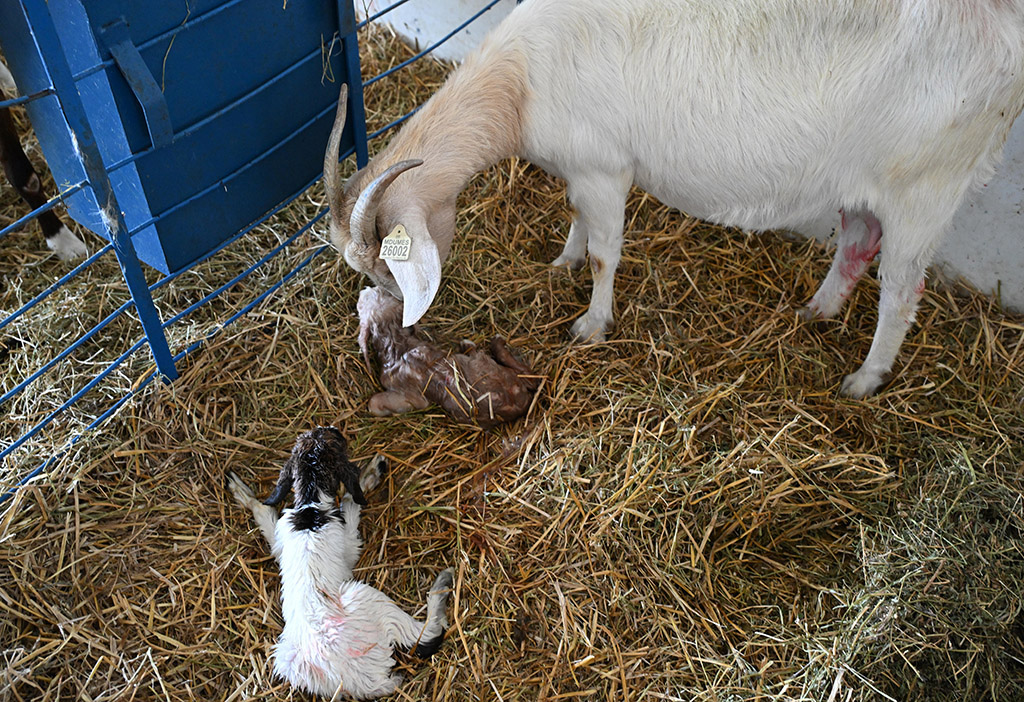
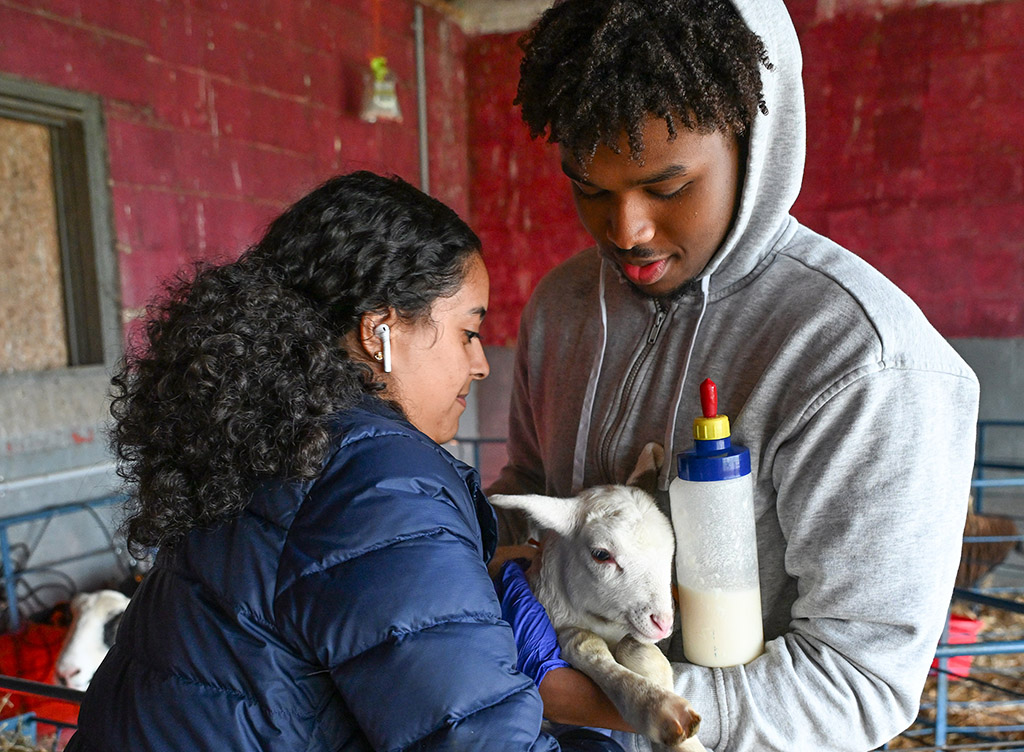
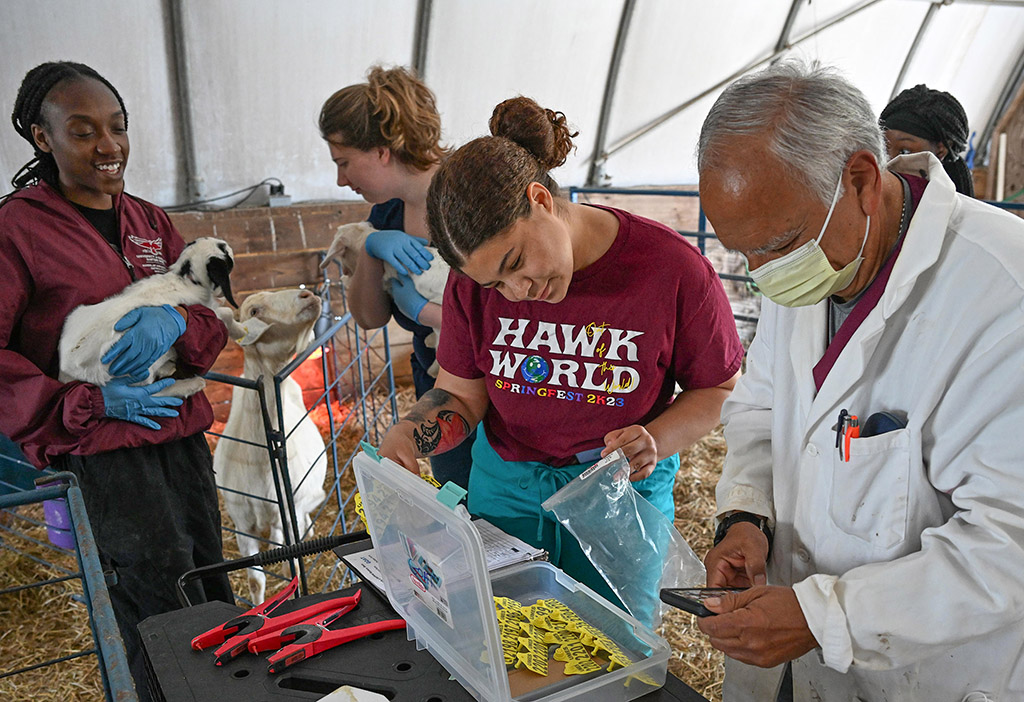
Photos by Todd Dudek/UMES Ag Communications
Our Research and Outreach
- Controlling vegetation: Extension specialists demonstrate forage utilization, focusing on the challenges posed by the endophyte toxicosis associated with tall fescue, the predominant grass species in the Northeast. Demonstrations featuring novel endophyte fescue varieties and alternative forage options promote forage best practices. Small ruminants can be used for clearing brush, vines, saplings, etc. without prescribed burning or the use of herbicide. This help balance environmental and economic goals in forest management.
- Rotational grazing and browsing. Learn about resources available for partitioning fence and water sources.
- Gastrointestinal parasite/integrated parasite management
- Breeding stock selection, synchronized breeding and artificial insemination. Learn what to look for in replacement bucks or rams, selecting parasite-resistance stock, doe/ewe prolificacy and nutritional needs.
A Case Study: Goat Kids Performance During Four Consecutive Kidding Seasons (2022-2025)
A Case Study: Lambs Performance During Four Consecutive Lambing Seasons (2022 to 2025)
A Case Study: Goat Kids Performance During Two Consecutive Kidding Seasons (2022 and 2023)
A Case Study: Lambs Performance During Two Consecutive Lambing Seasons (2022 and 2023)
Resources
Controlling vegetation: What to do
In the News
Lambing and kidding season sees 81 births at UMES
Biosecurity reduces disease risk. Workshop teaches defense
Biosecurity on the Eastern Shore goes beyond chickens
Goats help save Chesapeake Bay? Animals reduce reliance on herbicides
UMES pre-vet students learn from practical experience
Contact
Dr. E.N. Escobar
Associate Dean and Associate Administrator, UMES Extension
Professor and Small Ruminant Extension Specialist
Richard A. Henson Center, Room 2139
410-651-6206
enescobar@umes.edu
Dr. David Brown
Assistant Professor, Animal Science
Department of Agriculture, Food and Resource Sciences
410-651-7572
dbrown7@umes.edu
