Center for Integrated Pest Management
University of Maryland Eastern Shore Center for Integrated Pest Management (UMES-CIPM) serves as a hub where growers, scientists, consumers, government agencies, businesses, and environmental organizations get pest solutions. The center focuses on the most important pest problems and makes science-based information available to everyone who contends with pests. In addition, UMES-CIPM serves the people in the Delmarva region to find low-risk solutions to pest and pesticide problems.
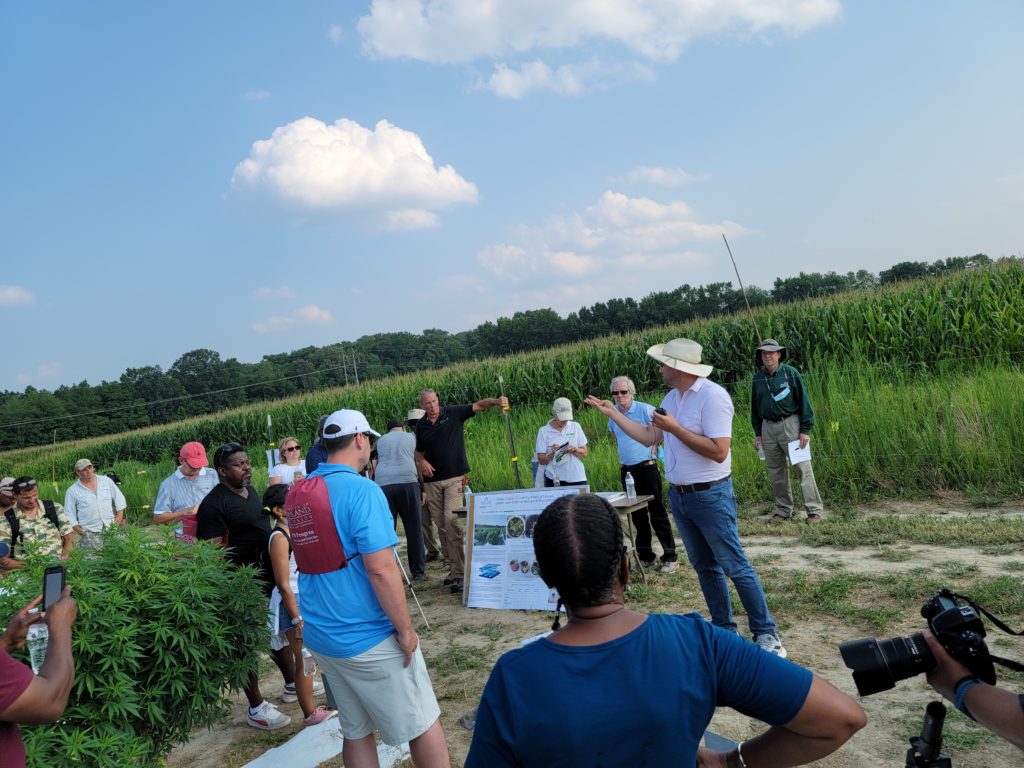
What We Do:
- Serve the stakeholders by addressing pest-related issues using science-based knowledge;
- Foster development and adoption of IPM by establishing and maintaining information networks, offering broad access to IPM resources, and assisting growers in making informed decisions about pests and their control options;
- Enhance and conserve the environmental quality and natural resources;
- Educate participants on pests (life cycles, damage, management options, etc.) and on the effective use of cultural and biological control methods to mitigate pest problems;
- Extend IPM successes by helping growers to understand IPM uses and values;
- Provide pesticide safety education; and
- Educate pesticide users about bee and other pollinator safe materials.

Program Areas
The Fruit Integrated Pest Management (IPM) Program is an educational delivery program for commercial fruit growers in the Delmarva region. IPM brings together all management techniques to manage pest populations below economically damaging levels. IPM includes many aspects of crop management. Learn More
Vegetable IPM
The vegetable IPM Program helps commercial vegetable growers find sustainable solutions to pest problems. The program emphasizes healthy soils, balanced plant nutrition, proper pest and beneficial identification, scouting and monitoring techniques, preventative management strategies, reduced-risk pesticide selection and application, and resistance management. Hereunder are vegetable-specific IPM for some vegetables commonly grown in Delmarva.
- Cucurbits (watermelon, Melons, Squash)
- Tomato
- Leafy green vegetables
The program is dedicated to developing and disseminating information to aid in identifying and managing insect pests and diseases of Delmarva field crops. The overall goal of this program is to provide pest managers with up-to-date, useful, and easily implemented IPM solutions. Hereunder are field crop-specific IPM for some vegetables commonly grown in Delmarva.
- Corn
- Soybean
- Small grains and Forage
Field Crop IPM
Pollinators
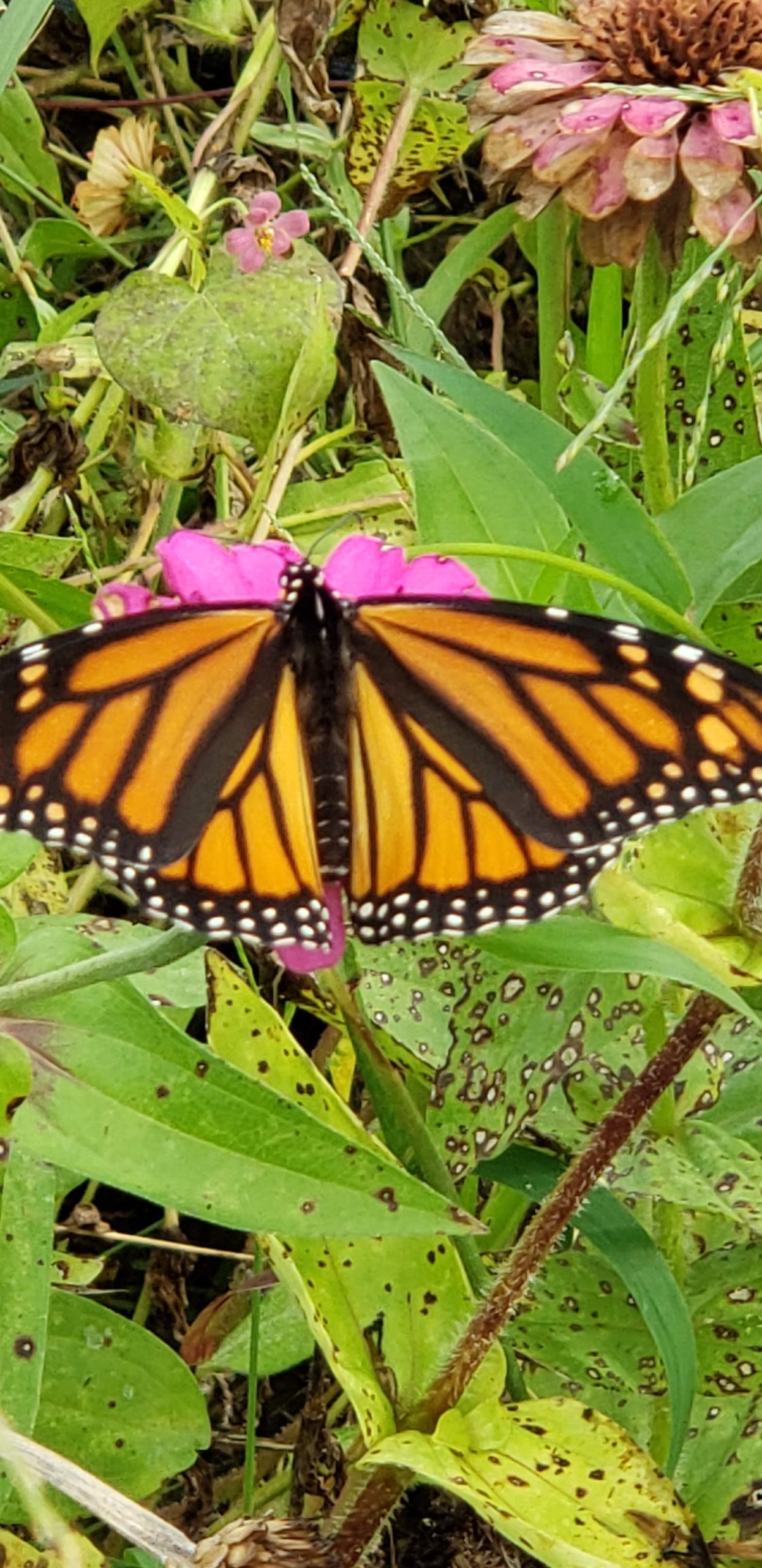
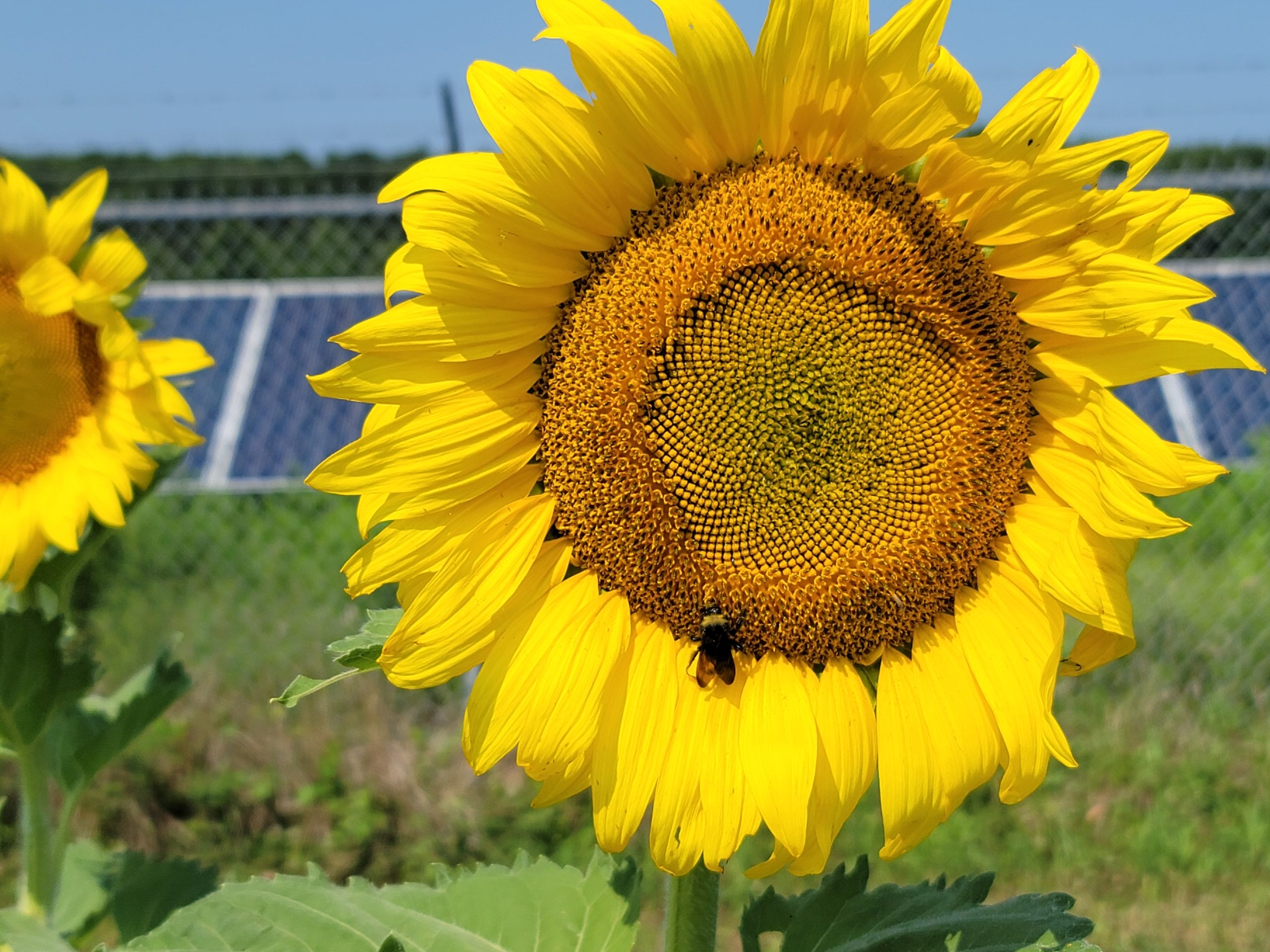
Honey bees are essential pollinators, but they are not the only bees helping pollinate your farms and gardens; there are over 4,000 native bee species in North America, including Canada. Honey bees, along with other pollinators, all contribute to ecosystem services. As a result, many stakeholders seek information on strategies to augment pollinators and increase pollination services to gardens, farms, and natural areas. One of the strategies for protecting pollinators is creating suitable habitats for them. The same habitat (flowers and grasses of varied shapes and sizes that provide blooms throughout the growing season) is also ideal for other beneficial insects (and similar creatures like spiders), natural enemies of pests. There are many different ways to establish these plants and manage weeds during the establishment process. Moreover, here we will educate pesticide users about bee and other pollinator safe materials because pesticides are associated with pollinator population decline.
An invasive species include plants and animals (without focus on insects) non-native to Delmarva. The introduction of invasive species into the Delmarva ecosystem in which the species is not native causes or is likely to cause environmental or economic harm or harm to human health. The invasive Species Alert program provides resources and alerts for newly discovered invasive species and emerging Issues. In addition, the UMES-CIPM provides information on identifying non-native, invasive plants and insects and offers management solutions for many of these invaders. Invasive species information is found here and via links to other resources.
Invasive Species Alert
Cannabis/hemp
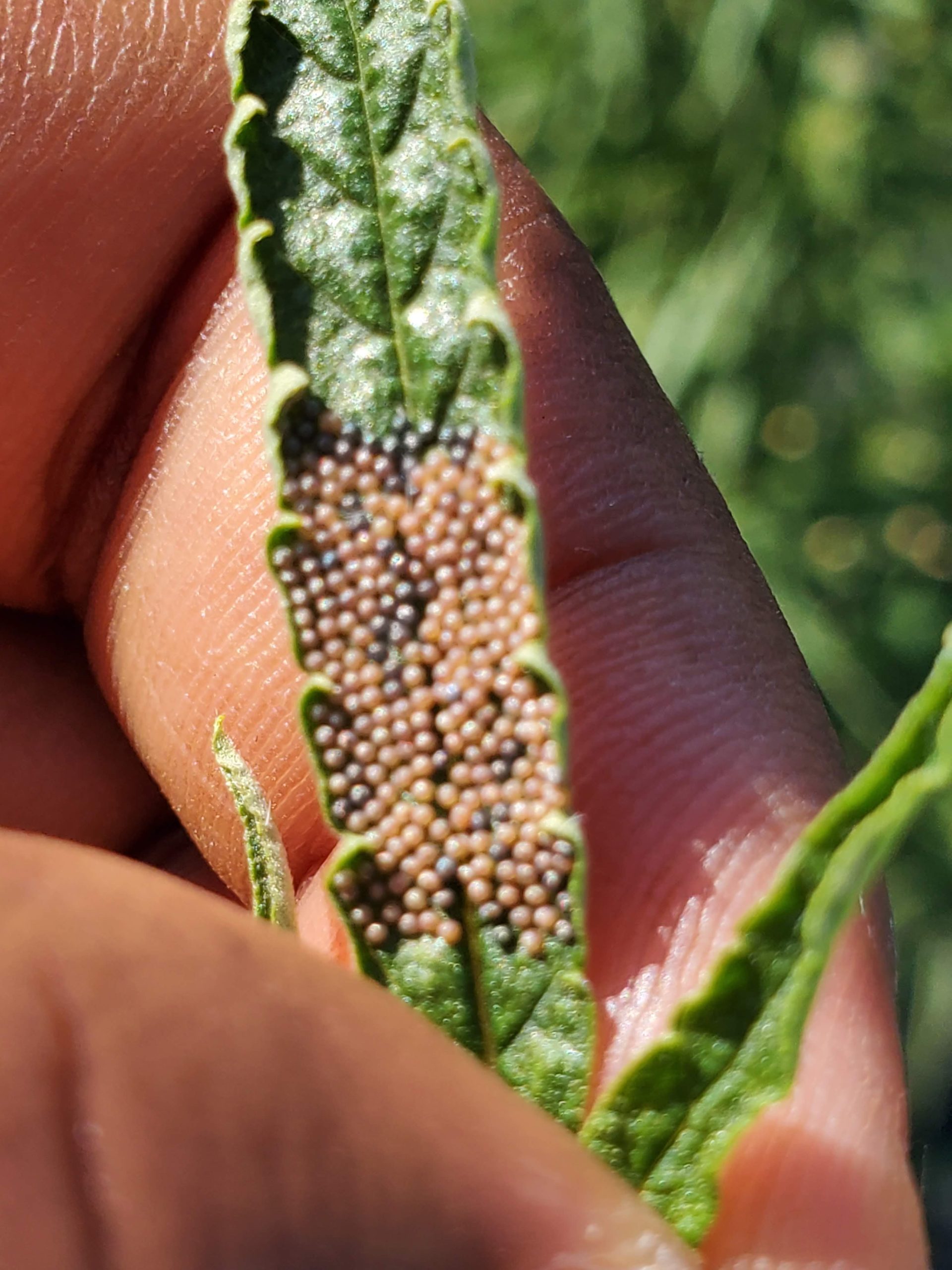
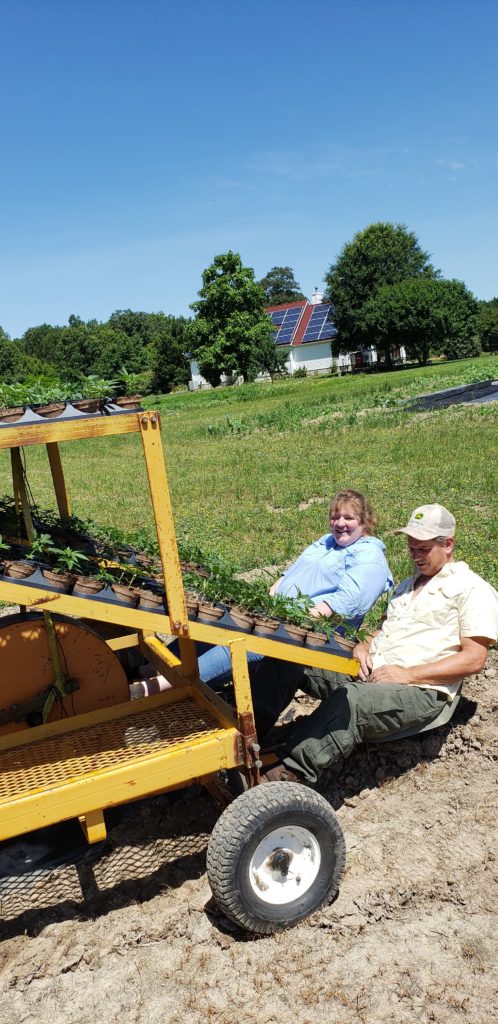
Integrated pest management (IPM) plans for hemp pests are still being developed because arthropod pests are still being identified and described. Meanwhile, research on cultural, mechanical, and biological control strategies for insects already recognized as hemp pests is still needed. Though hemp serves as a host for a wide range of arthropods (e.g., Eurasian hemp borer, cannabis aphid, hemp russet mite), the corn earworm (CEW), Helicoverpa zea, emerged as the key insect pest in the Delmarva outdoor hemp production. Pest management options include natural enemies, removing volunteer hemp plants, and rotating hemp with other crops. In addition, states in the Delmarva region have allowed the use of biopesticides (such as Bacillus thuringiensis var. aizawi or the Helicoverpa armigera nucleopolyhedrovirus). Still, growers should review their state’s regulatory rules to determine if this is a permissible option.
Responsible management of pests and pesticides is an important component of maintaining a safe and plentiful food supply, protecting public health, and maintaining safe and pleasant public and private spaces. The Maryland Pesticide Safety Education Program ( PSEP), as part of the University of Maryland Extension Program (UME), provides training for both occupational pesticide applicators and those who use pesticides occasionally, such as homeowners/renters, public agency officials, and building maintenance staff. PSEP covers a broad range of human safety and environmental issues, including pest identification, personal safety, and best pesticide handling practices from the choice of a pesticide through proper application to storage and disposal. PSEP helps pesticide applicators learn to use pesticides in the safest, most effective manner to control pest infestations while protecting the health of humans and the environment. PSEP offers educational programming for certified applicators, registered employees, and other occupational users of pesticides as well as non-occupational users. For more information, please refer http://pesticide.umd.edu/pesticide-safety-education.html
Pesticide Safety Education
IPM School
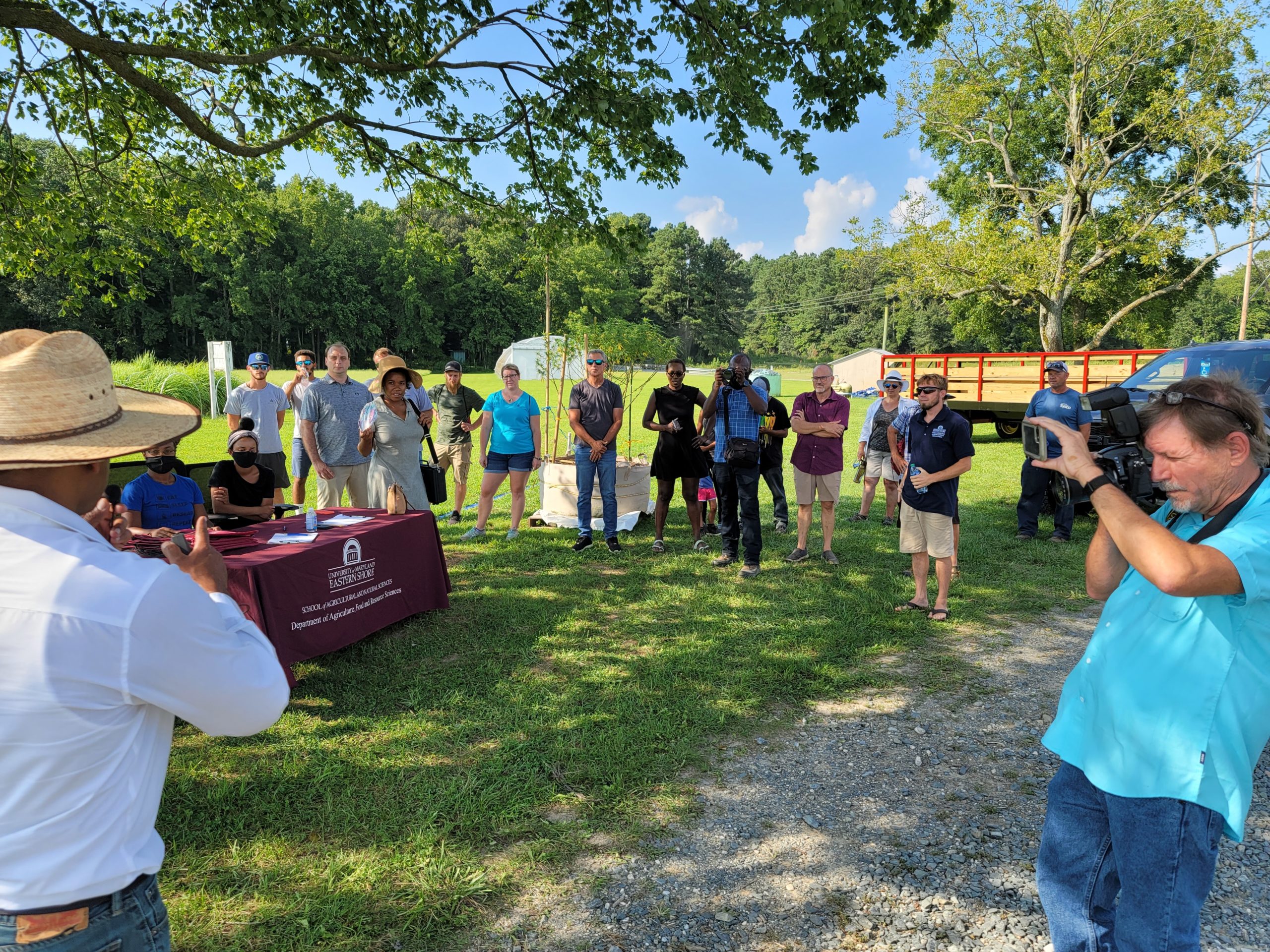
UMES-CIPM provides educational support to Delmarva school grounds and turf managers to care for and maintain school properties using pesticide-free management and other IPM protocols. UMES-CIPM team members conduct educational seminars and workshops, pesticide safety and certification training, hands-on field training, site visits, consultations and recommendations for turf and landscape management operations, diagnostic services, and research. The UMES-CIPM website is updated periodically by the team members. Educational programs include Delmarva School IPM Workshops, developed and presented by the team members, Field Day, and UMES Small Farm Conference.
IR-4 Northeast Region
UMES is housing the IR-4 Project Northeast Region. Interregional Research Project Number 4(IR-4) is a USDA-funded national research program that facilitates the registration of safe and effective chemical and bio-based pesticides for fruits, vegetables, herbs, nuts, ornamentals, and other specialty crops and for minor uses on major crops like corn, soybean, cotton, wheat, and other small grains. Pests do not discriminate between major crops and specialty crops. While the crop protection industry focuses its research on major crops, such as corn, cotton, and soybeans, growers of specialty crops are often left with fewer tools for effectively and safely managing pests. IR-4 conducts required research to meet this important need.
IR-4 works directly with crop growers, registrants of crop protection products, and other members of the specialty crop community to develop data required by the U.S. Environmental Protection Agency for the registration of pest management tools for specialty crops. IR-4 also supports the registration of minor or specialty uses on major crops.
Without IR-4’s work, there would be an increased risk of crop losses from pest damage, resulting in higher costs and decreased availability for consumers.
The IR-4 Project is technology-neutral and committed to meeting the changing needs of specialty crop growers. Through advisory boards, workshops, and strategic planning, new programs and initiatives have been added to assist specialty crop growers with their unique needs.
IR-4 research takes place at many land grant universities and USDA Agriculture Research Service facilities across the country. Regional field offices and state liaisons also work with local growers to identify safe and effective solutions for pest management.
Growers can submit requests for pesticide registration in specific specialty crops for residue, and integrated solutions requests must be submitted by no later than Friday, August 12, to be considered for the 2022 Food Use Workshop at https://www.ir4project.org/about-ir4/submit-a-request/
If you need assistance with the request, don’t hesitate to get in touch with us.

Northeast Region Director
Sazebelo@umes.edu
(410)651-6163
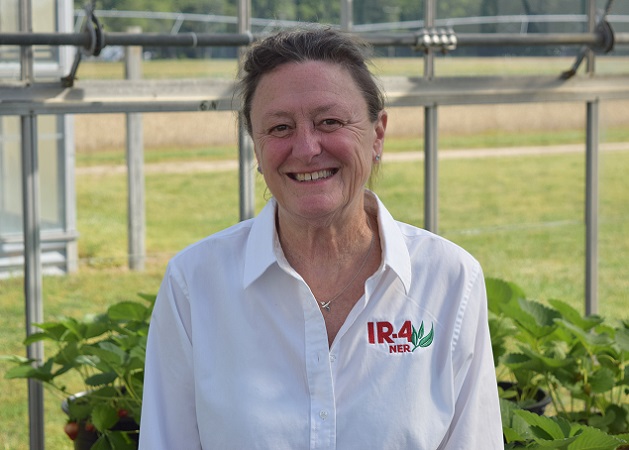
Northeast Region Field Coordinator
mross@umd.edu
(410) 742-8788 x310

Northeast Region Field Coordinator Assistant
mjames14@umd.edu
(410) 742-8788 x317
Publications
International Conference
- Shelly-Ann H, Zebelo S. 2022. Managing agricultural drainage ditches to improve conservation biological control. 10th International IPM Symposium. February 28 – March 03, 2022, Denver, CO.
- Joseph, D.D., K. Vollmer, A. Leslie, T. Bensancon and C.R.R. Hooks. Using spring-seeded grass cover crops to reduce herbicide inputs in plasticulture peppers. 10th International IPM Symposium. February 28 – March 03, 2022, Denver, CO.
- Zebelo S, Fawzy H, Tolosa T. 2021. At the 18th annual UMES small farm conference, a symposium on reducing cross-contamination between animals and produce was delivered to over 27 vegetable growers
- Zebelo S 2021, Farm club meeting last August attended by around 20 farmers and delivered information on the use of trap crops in watermelon production
- Hooks, C.R.R. 2022. Symposium title: Organic Vegetable Production. Talk title: Deploying ecological pest management tactics to manage pests in organic vegetables. Mid-Atlantic Fruit and Vegetable Conference. Hershey, PA February 02, Attendance: 40
- Yurchak, V, A. Leslie, C.R.R. Hooks. 2022. Using marigold to create an ecofriendly pest suppression program in sweet corn. Northeast Integrated Pest Management Research Update Conference. Virtual. March 24, 2022. Attendance 36
Regional Presentations
National Presentations
- Shelly-Ann H, Zebelo S. 2021. Managing agricultural drainage ditches to improve conservation biological control. Entomological Society of America Annual Meeting. October 31-November 03, 2021
- Simmons J, Zebelo S. 2021. Rhizobacteria modulate the oviposition behavior of corn earworms in sweet corn. Entomological Society of America Annual Meeting. October 31-November 03, 2021
- Nunez, D. A., M. Farcuh, K. Burghardt, and C.R.R. Hooks. 2021. Developing a perennial living mulch system to manage insect pests in mid-Atlantic cantaloupe. Entomological Society of America Annual Meeting. October 31-November 03, 2021.
Videos
Weed Management
- An introduction to integrated weed management. Watch
- Tools of integrated weed management. Watch
- Crop Rotation: A cornerstone of integrated weed management. Watch
- Seed Predation and Integrated Weed Management. Watch
- The critical period of weed control (CPWC): an underutilized concept. Watch
- Integrated weed management with plasticulture: the good, the bad and the ugly. Watch
- Tillage: A well-known tradesman of integrated weed management. Watch
- Herbicides and integrated weed management. Watch