From farm stands to farm stays and apiaries and u-pick locations, agritourism includes a wide variety of agricultural activities:
Farmers Market: A venue where local farmers and producers gather to sell fresh produce, artisanal foods, and crafts directly to consumers, fostering a sense of community and supporting local agriculture.
Winery: A facility that cultivates and processes grapes into wine, often offering tours, tastings, and sales of their wines to visitors.
Craft Brewery: A small-scale brewery that produces limited quantities of unique and flavorful beers, typically allowing visitors to tour the brewing process and taste various beer offerings.
Creamery: A place where dairy products like milk, cheese, and butter are produced and often sold, providing visitors with insights into the dairy production process and opportunities to sample and purchase dairy products.
Corn Maze: An agricultural attraction where intricate mazes are created within cornfields for visitors to explore, often during fall seasons, providing entertainment and an interactive outdoor experience.
Petting Zoo: A facility where visitors can interact with and sometimes feed domesticated animals, offering an educational and interactive experience for all ages.
Hayrides: A recreational activity where visitors ride on horse-drawn wagons filled with hay, typically offered in rural settings for seasonal enjoyment and education.
Restaurant: An eating establishment located on a farm or sourcing ingredients directly from the farm, providing visitors with farm-to-table dining experiences featuring fresh and locally produced foods.
Farm Store/Stand: A retail outlet on a farm or along the roadside where fresh produce, dairy products, and other farm goods are sold directly to consumers.
U-Pick: An agritourism farm where visitors harvest fruits, vegetables, or flowers directly from the fields, offering a hands-on and farm-fresh experience.
Fruit Market: A retail outlet selling fresh and locally grown fruits, typically sourced from nearby farms.
Farm Museum: An institution that preserves and showcases the history of agriculture, featuring exhibits, artefacts, and educational materials related to farming practices and rural life.
Alpaca Store: A shop that sells alpaca-related products such as alpaca wool clothing, accessories, and gifts, often located on or near alpaca farms.
Organic farm: The farm follows organic farming practices, avoiding synthetic chemicals and focusing on sustainable and environmentally friendly cultivation methods.
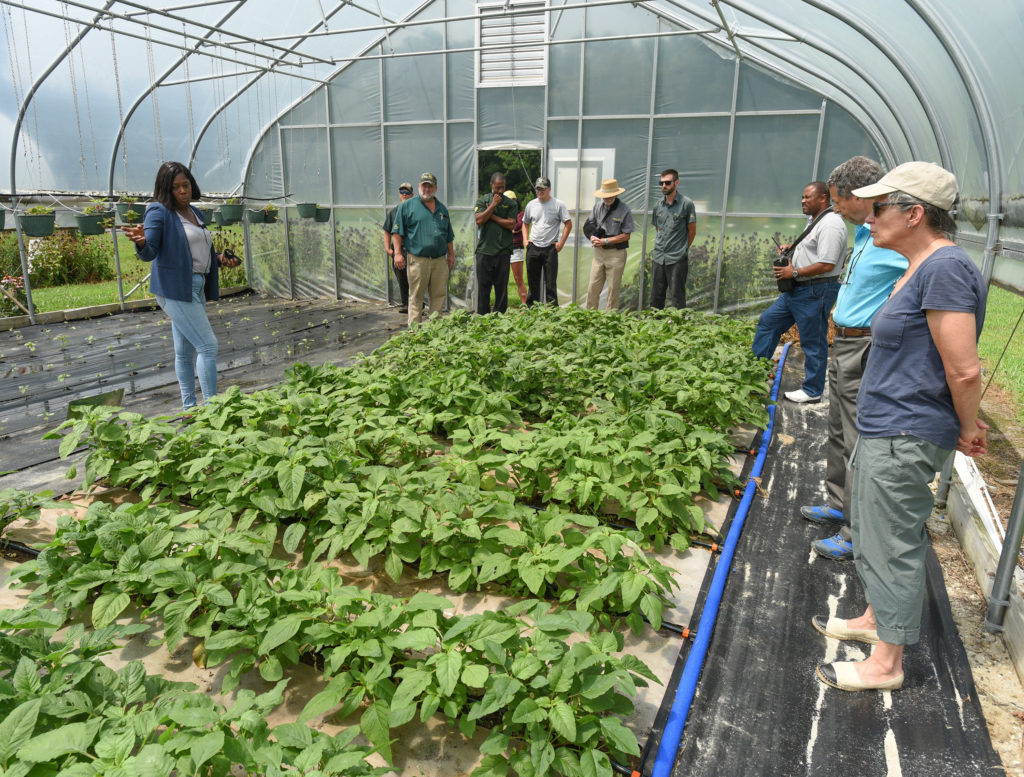
Farm Tours: Guided visits to working farms, allowing visitors to learn about farming practices, animal husbandry, and agricultural processes.
Horseback Riding: A farm activity where visitors can ride horses through scenic trails, combining outdoor recreation with farm exploration.
Teaching Farm: An educational facility that offers workshops, classes, and demonstrations about farming, sustainability, and related topics.
Gift Shop: A store on a farm or agricultural attraction that sells visitors souvenirs, crafts, and locally made products.
Alpaca Farm: These farms raise Alpacas for their wool and offer visitors the chance to learn about alpaca care, observe the animals, and purchase alpaca products.
Farm Stay Bed and Breakfast: Accommodation is provided on a working farm, allowing guests to experience rural life, participate in farm activities, and enjoy farm-fresh meals.
Roadside Stand: A small stall or stand located along roadsides where farmers directly sell fresh produce, flowers, and other farm products to passing customers.
Garden Center: A retail nursery that sells plants, flowers, and gardening supplies, often providing expertise and advice to customers.
Artists Market: A marketplace on a farm or agricultural setting where local artists and artisans can display and sell their handmade crafts and artwork.
Tasting House: A building on a farm or vineyard where visitors can sample and purchase wines, cheeses, or other farm-produced goods.
Festival: An event held on a farm or agricultural site that celebrates a specific theme, season, or crop, often featuring entertainment, food, and activities for visitors.
Seafood, Crab, and Clams Festival: A special event celebrating seafood and shellfish, often including seafood tastings, cooking demonstrations, and entertainment.
Horse Show: An organized event on a farm or equestrian centre where horse enthusiasts compete in various disciplines.
Oyster Farm: A working farm that cultivates and harvests oysters, providing visitors with insights into oyster farming practices and the opportunity to taste fresh oysters.
Wine Tasting: An activity often held at wineries, allowing visitors to sample various wines while learning about the winemaking process.
Taproom: A facility at a craft brewery where visitors can taste and purchase a selection of freshly brewed beers.
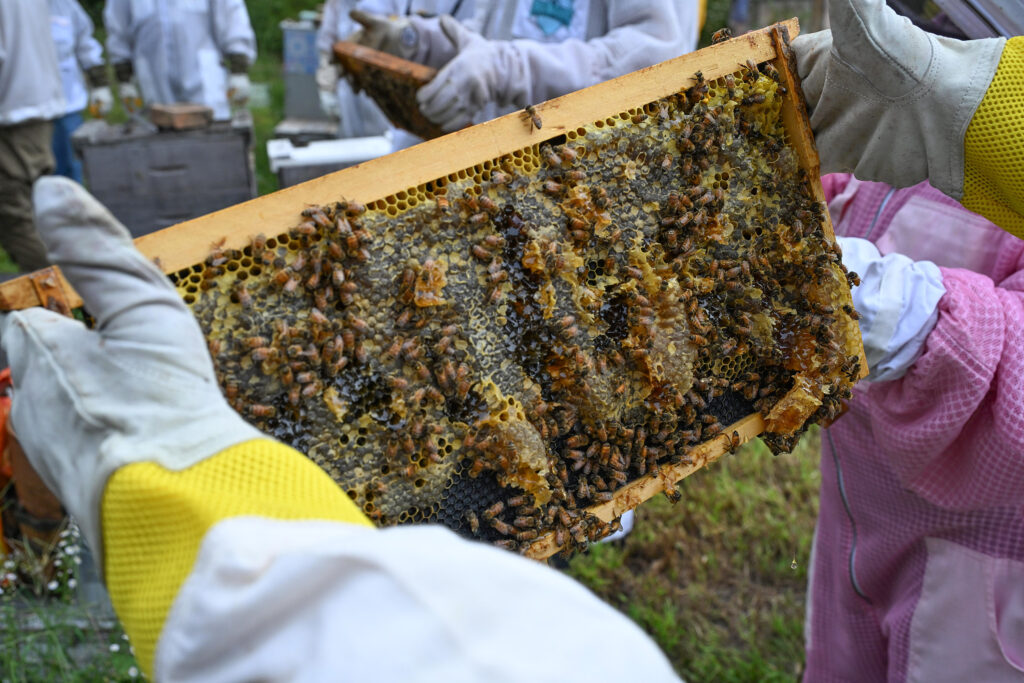
Apiary: A farm that raises bees for honey production, often offering educational experiences and honey-related products for sale.
Farm Heritage: An attraction or museum that showcases the historical aspects of farming, preserving and sharing the traditions, tools, and techniques of the past.
Farm Camp: A camp held on a farm where participants, often children, engage in agricultural and outdoor activities while learning about farming and nature.
Pumpkin Patch: A farm attraction, particularly popular in the fall, where visitors can pick their own pumpkins and enjoy festive activities.
Flower Farm: A farm specializing in cultivating and selling flowers, often allowing visitors to pick their bouquets or purchase fresh flowers.
Tree Farm: A farm that grows and sells trees, often specializing in Christmas trees, allowing visitors to select and cut their trees during the holiday season.
