
Lincoln University conducts five international disease symposia in its contribution to the Center of Excellence for Global Food Security and Defense (CEGFSD). These events were designed to foster international partnerships with Latin American peers that would strengthen agricultural integrity in developing countries and engage international researchers in addressing new and emerging pests and diseases.
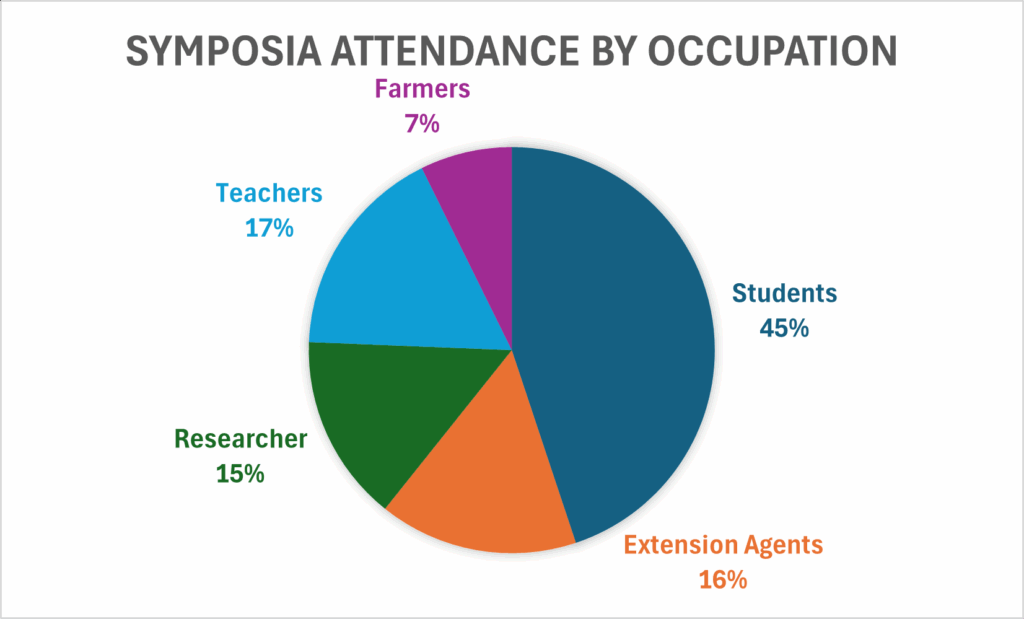
To date, there have been 22 separate countries participating in the symposia with a combined 1,250 attendees. The largest proportion of participants were students, followed by teachers, extension agents, researchers, and farmers.
The biannual, daylong symposia titled “Monitoring Emergent Plant and Animal Diseases for Food Security in the Americas” adheres to a consistent format featuring plant diseases in the morning sessions, followed by animal diseases in the afternoon.
Topics are selected through participant feedback and by needs highlighted by the USDA National Institute of Food and Agriculture.
The international planning committee for each symposium includes two researchers from Lincoln University, Dr. Jessica Epple-Farmer and Dr. Homero Salinas-Gonzalez, as well as Dr. Avelino Hernandez of Mexico and Dr. Walfer Martinez of Guatemala.
The composition of this committee ensures participant engagement across all areas of the Americas during the symposium.
With the growing importance of agricultural trade as a component of the U.S. economy, the plant and animal pests and diseases that affect U.S. trading partners are of interest to U.S. officials and U.S. agriculture.
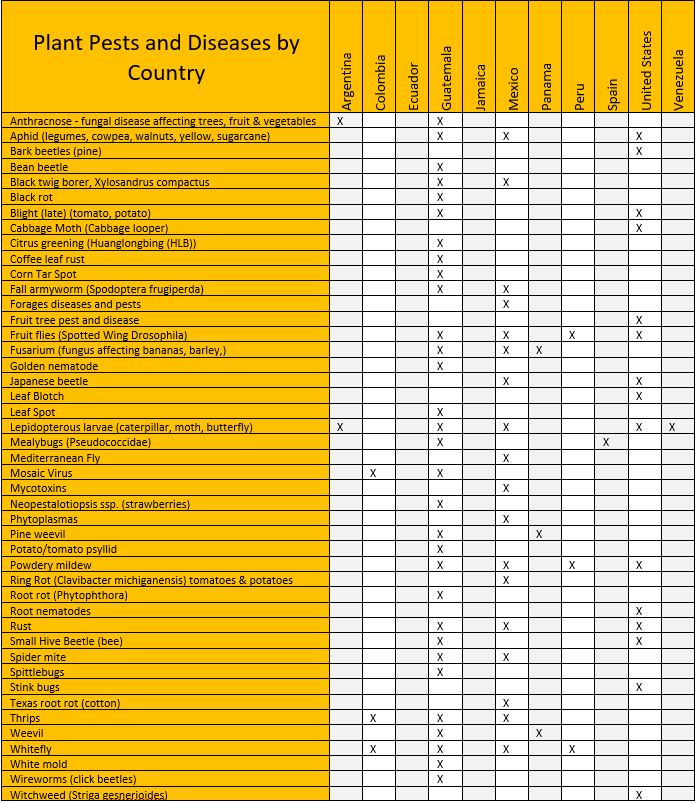
As part of the CEGFSD mission, plant and animal diseases of concern to the group‘s Latin American partners are surveyed and the data is used to drive future research and training agenda. In the globally integrated world, the growth and stability of these partners has significant implications for the U.S. national food security and for the global food system as a whole.
CEGFSD shares with its Latin American partners the important cultivation of vegetables, fruits, grains and lumber, as well as the production of poultry, sheep and goats. It is this commonality of shared food that this symposium helps to address food security and defense.
