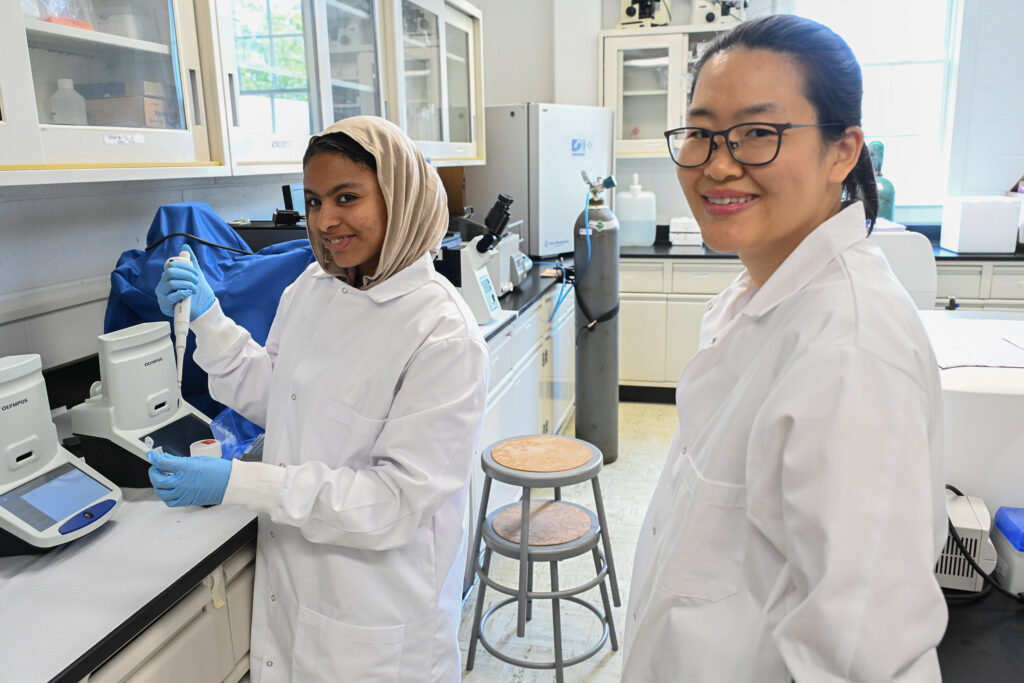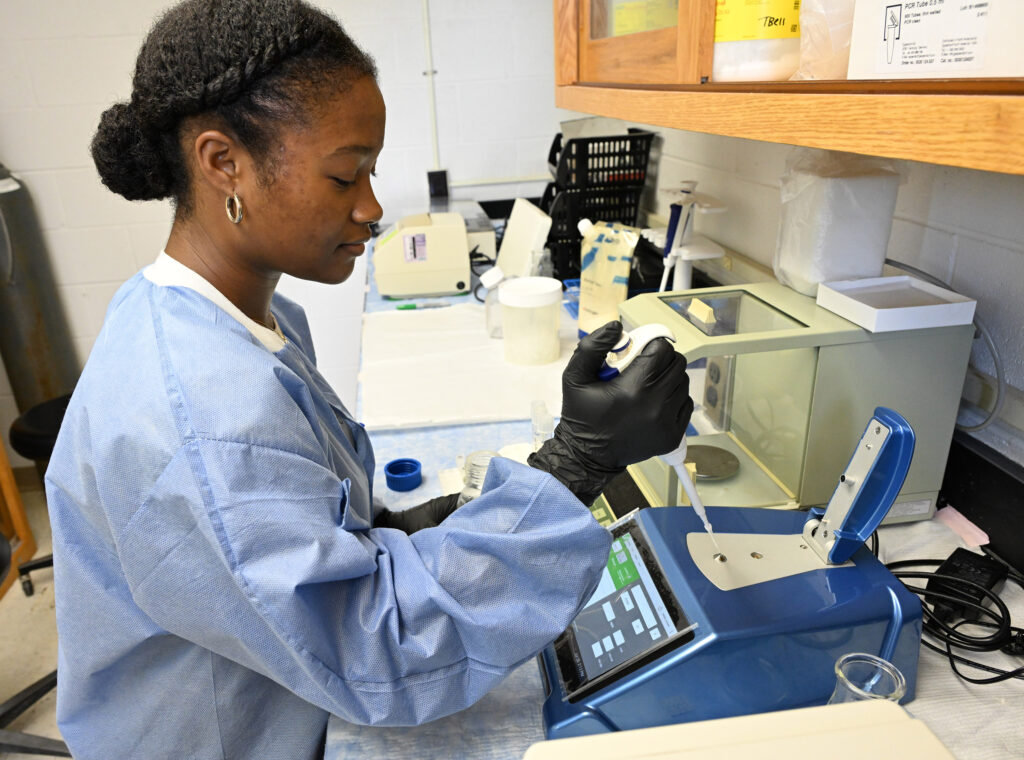
Summer is quickly coming to a close, signaling the end of summer research programs for UMES students spending the break on campus furthering career readiness skills. Field and lab activities are winding down, and research papers and posters are getting final touches in preparation for end-of-program reporting and presentations for the Summer Research Symposium slated for Aug. 7.
Among the programs, five student researchers were placed with faculty mentors through a USDA-NIFA NextGen collaborative grant, with UMES as lead. Student participants are: Nandini Walia (Dr. Behnam Khatabi, soil science lab); Aseel Awad, (Dr. Seo Seungmae, chemistry lab); Jade Reid, (Dr. Patrice Ayotunde, pharmacy lab); and Norhan Mohamed and Lin Guan, (both with Dr. Tracy Bell, biology lab).
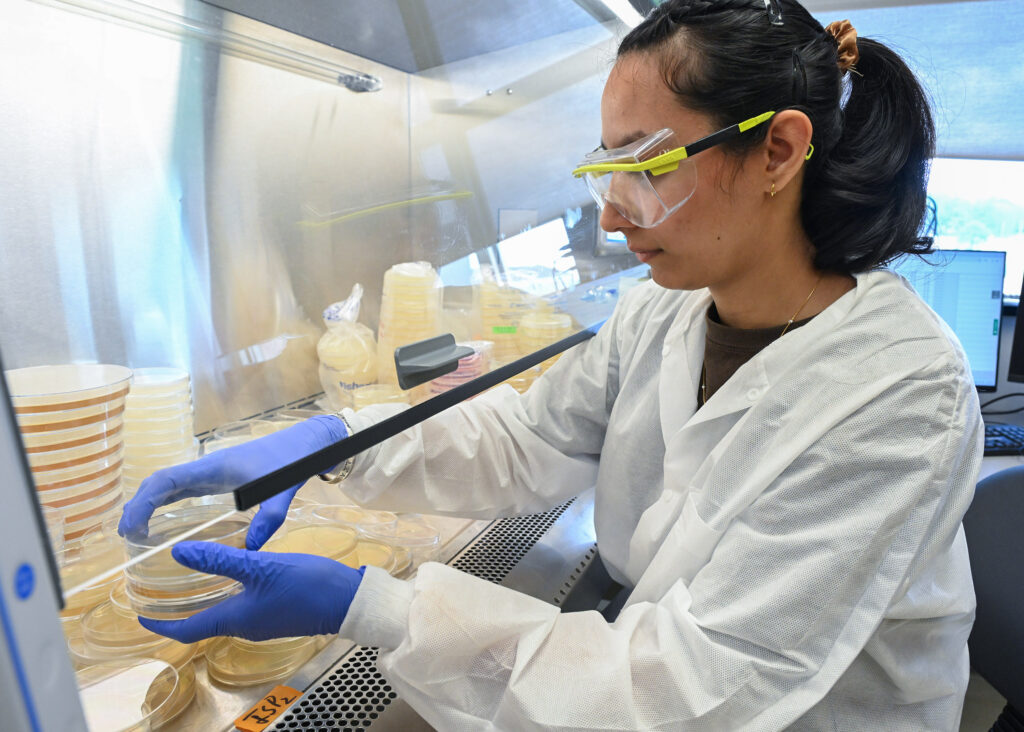
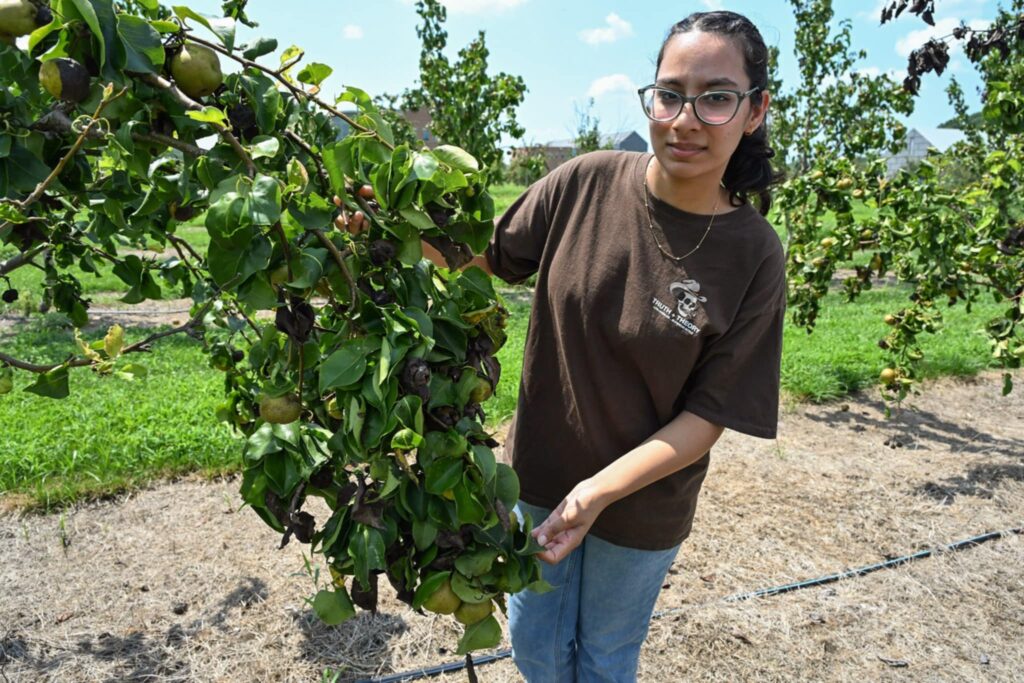
Walia worked with actinomycetes bacteria to explore solutions to kill fungal diseases found in plants. She helped collect soil samples from plants affected by fungal diseases and isolated naturally occurring soil bacteria.
“These bacteria are co-cultured with the fungi on PDA plates to identify strains with strong antifungal activity. After selecting the most effective bacteria, we extract their DNA and send it for sequencing,” Walia said. The sequences are assembled using primers and analyzed to identify genetic similarities with known bacterial strains and determine key genomic properties, she added.
The most surprising thing she realized during her research experience, was “discovering the natural soil bacteria with strong antifungal properties that offer an alternative to chemical fungicides through genetic analysis and microbial interaction studies.”
Slated for graduation in December, the biology, pre-med major, said UMES has prepared her “by offering a strong foundation in science through hands-on lab courses, engaging lectures and opportunities to apply classroom knowledge to real research on diseases and their molecular and cellular mechanisms.”
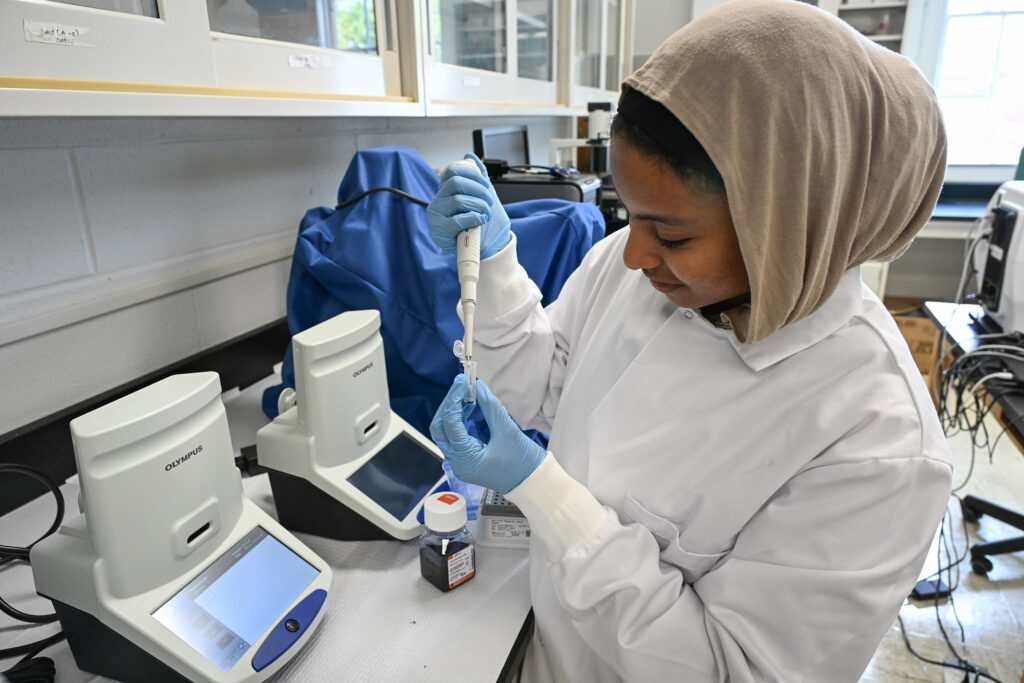
Awad gained “valuable insight on histones, their modification and how they significantly influence gene expression” on a research project to localize histone gene clusters throughout the cell cycle. She sharpened her skills in cell culture, antibody staining, click chemistry staining, fluorescence in situ hybridization, cell synchronization, confocal microscope usage, images analysis using Fiji and data analysis.
“As a science student, experimental learning is essential,” the junior biochemistry major said. “UMES is providing me opportunities to gain valuable skills to support my future academic and professional goals.”
She credits her faculty mentor with success in her academic and research journey.
“Dr. Seo not only actively mentored me throughout the research process, she has guided me in my future academic and professional goals, including providing strategies to help me stand out,” Awad said.
Reid spent the summer synthesizing compounds for potential anti-seizure treatment for drug-resistant epilepsy.
“The most interesting aspect of my work is learning how changes in chemical structure can affect biological activity,” the senior, biology, pre-med major said. “The biggest challenge was getting used to using analytical instruments such as NMR and interpreting results.”
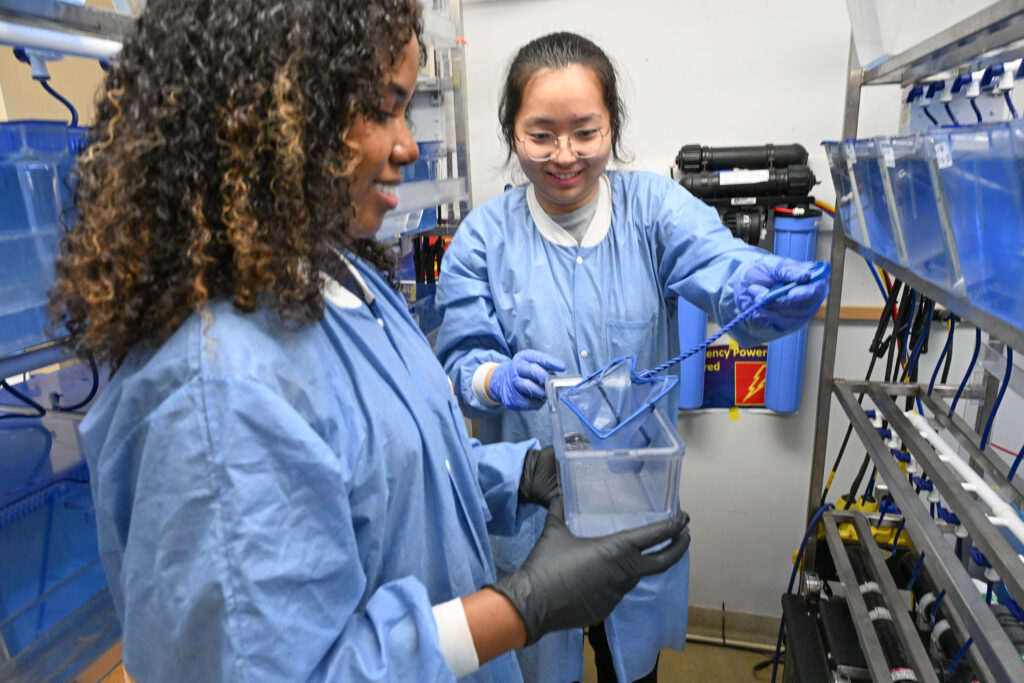
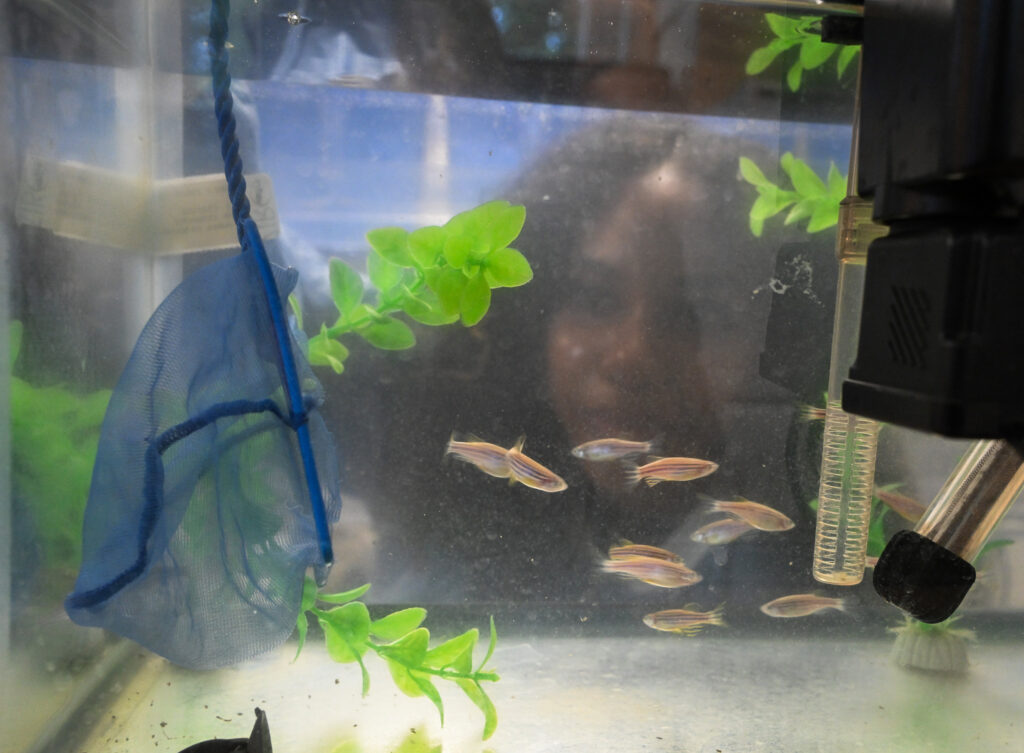
Mohamed and Guan, both sophomore, biology, pre-med majors, were lab partners on a research project exploring the relationship between insulin receptor and a protein, NHE3, in the kidney using zebrafish as a model organism with faculty mentor Dr. Tracy Bell.
Using a special technique, whole-mount in situ hybridization, Mohamed said, allows them to visualize the specific areas where the gene is active by utilizing a labeled RNA probe.
“We prepare the zebrafish samples, apply the probe, and then analyze for color changes that indicate gene activity within the tissue,” Mohamed said. “This approach enhances our understanding of the insulin receptor’s role in kidney function, which might offer valuable insights into conditions such as diabetes and hypertension.”
The hands-on experience of the process “from fixing the fish to imaging under the microscope” made an impact on Mohamed.
“It made the science feel real and gave me a deeper appreciation for the detail and patience research requires. It enabled me to connect what I’ve learned in class to real-world research,” she said.
Like Mohamed, Guan plans to apply to medical school after graduation.
“I’m passionate about health science and want to use my education to help others,” she said.
“The USDA’s NextGen investment supports student programs and career development initiatives. Designing and implementing paid impactful Experiential Learning Projects for students to better understand the wide array of career opportunities across the Food, Agriculture, Natural Resources, and Human Sciences (FANH) and allied disciplines, while developing their professional skills and academic training, is one of the components of NextGen. This has been the case with UMES students who participated in the program this summer, hence, contributing to the growing pipeline of a FANH future workforce,” said Dr. Stephan Tubene, chair of UMES’ Department of Agriculture, Food and Resources Sciences, and lead on NextGen grant activities.
Gail Stephens, agricultural communications, University of Maryland Eastern Shore, School of Agricultural and Natural Sciences, UMES Extension, gcstephens@umes.edu, 410-621-3850.
Photos by Todd Dudek, agricultural communications, University of Maryland Eastern Shore, School of Agricultural and Natural Sciences, UMES Extension, tdudek@umes.edu.